
Breasts are composed of dense (fibrograndular) and fatty (adipose) tissue. Your mammogram report categorizes your breast tissue into a density category: dense or non-dense. These two categories can be further broken down into smaller categories labeled A, B, C, or D, where categories A and B indicate breasts as non-dense and categories C and D indicate breasts as dense.
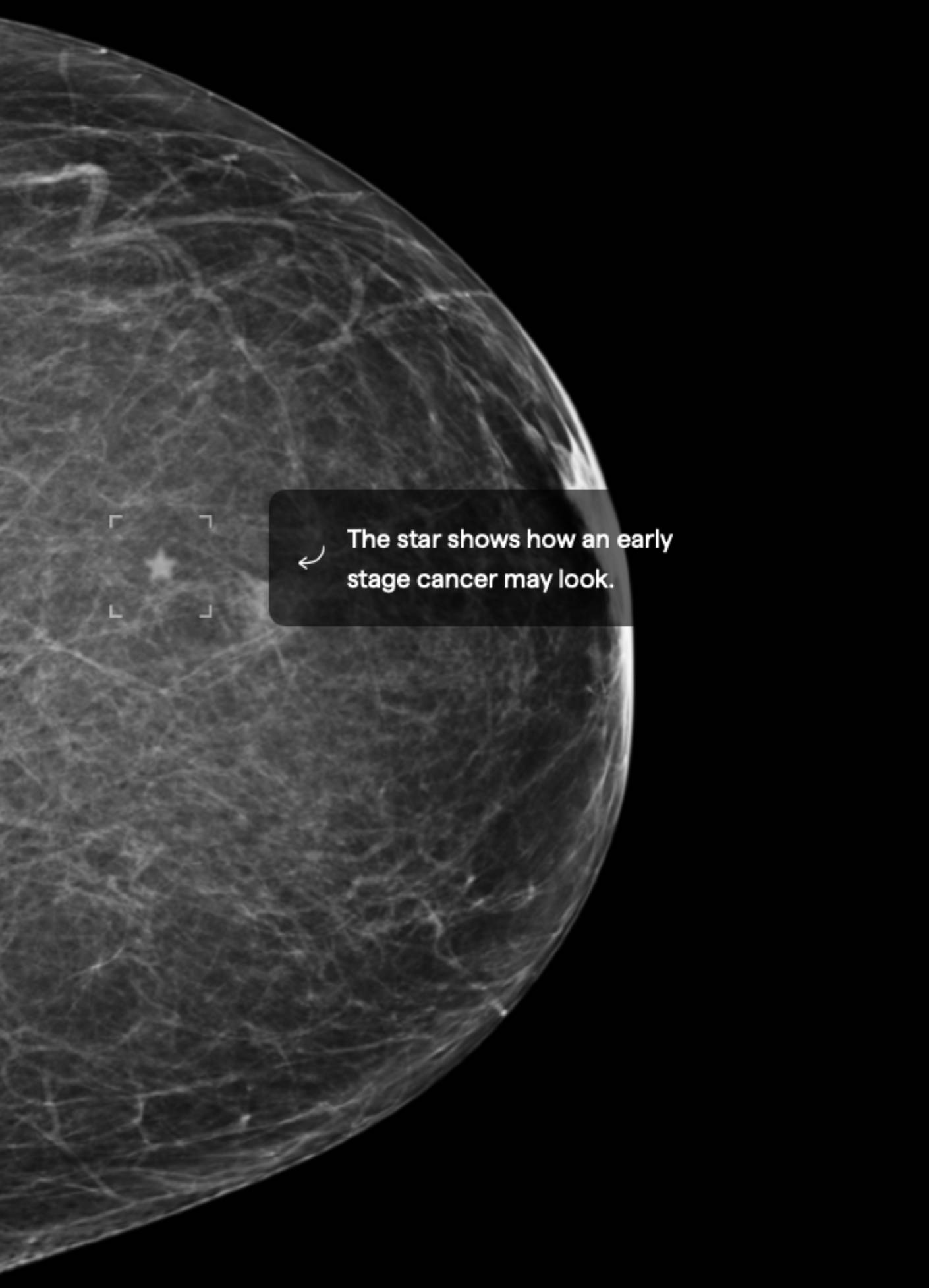
0% Mammographic Density
About 10% of female breasts fit category “A”. They are referred to as “fatty breasts”.1
If you are over the age of 40 and in good health, an annual mammogram is recommended.2 Also consider asking your doctor about a risk assessment to help both of you better understand your lifetime risk for breast cancer.
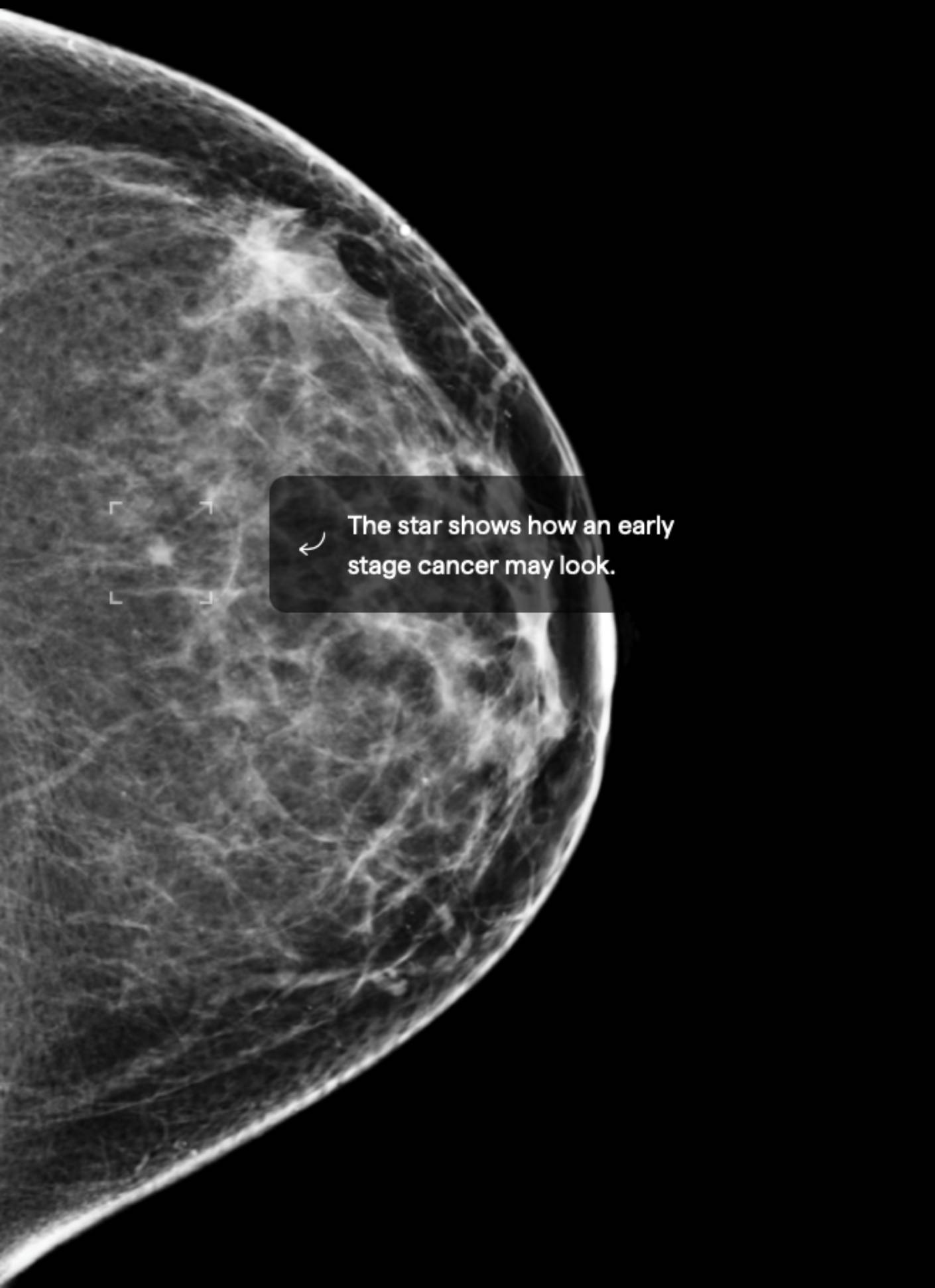
3.5% Mammographic Density
About 40% of female breasts fit category “B”. They are referred to as breasts with “scattered areas of fibroglandular density”.1
If you are over the age of 40 and in good health, an annual mammogram is recommended.2 Also consider asking your doctor about a risk assessment to help both of you better understand your lifetime risk for breast cancer.
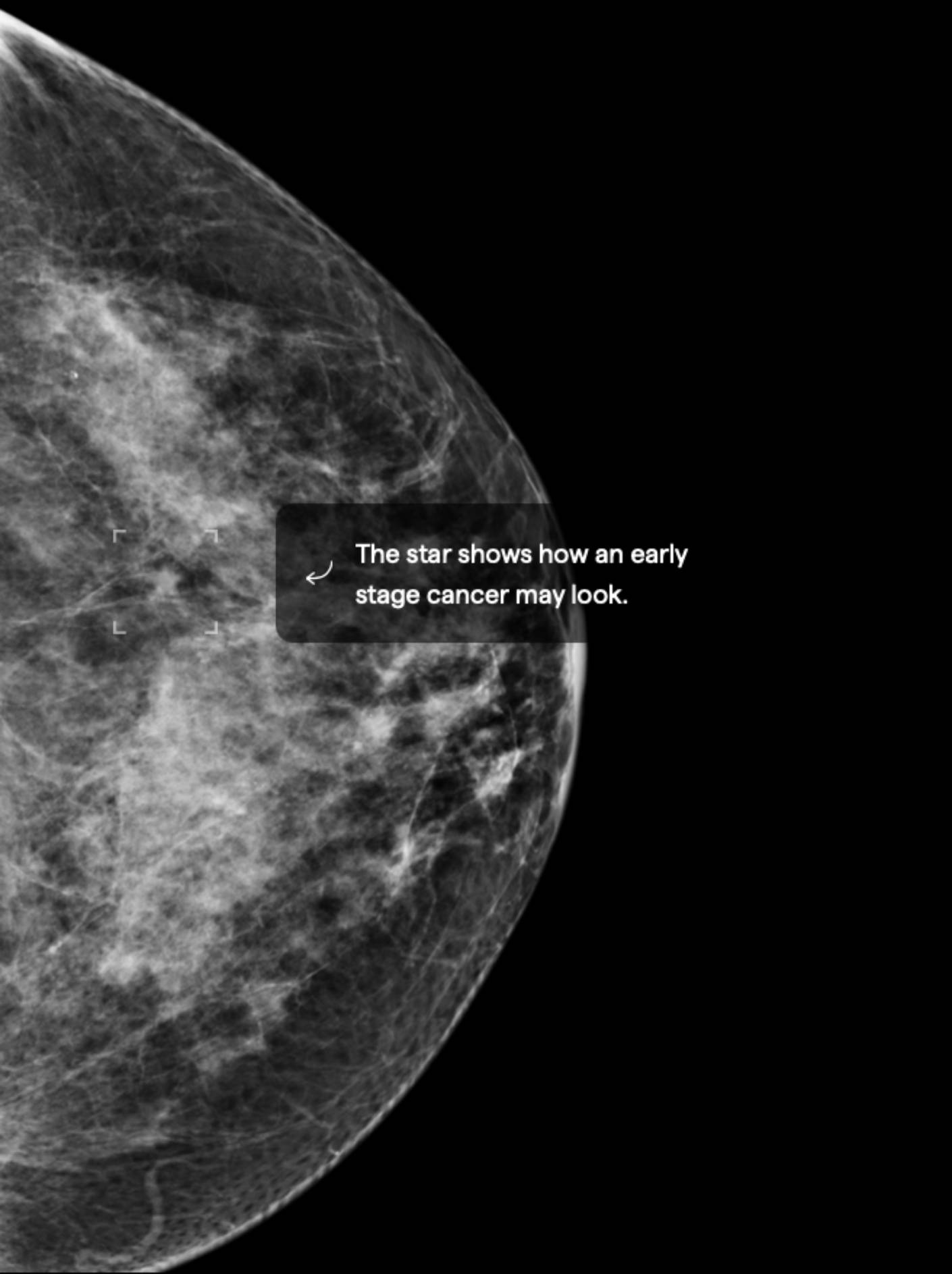
7.5% Mammographic Density
About 40% of female breasts fit category “C”. They are referred to as “heterogeneously dense breasts”.1
Your dense tissue could hide masses on your mammogram.3 Consider asking your doctor if additional ultrasound or MRI imaging should become part of your screening schedule. Also consider asking about a risk assessment to help both of you better understand your lifetime risk for breast cancer.
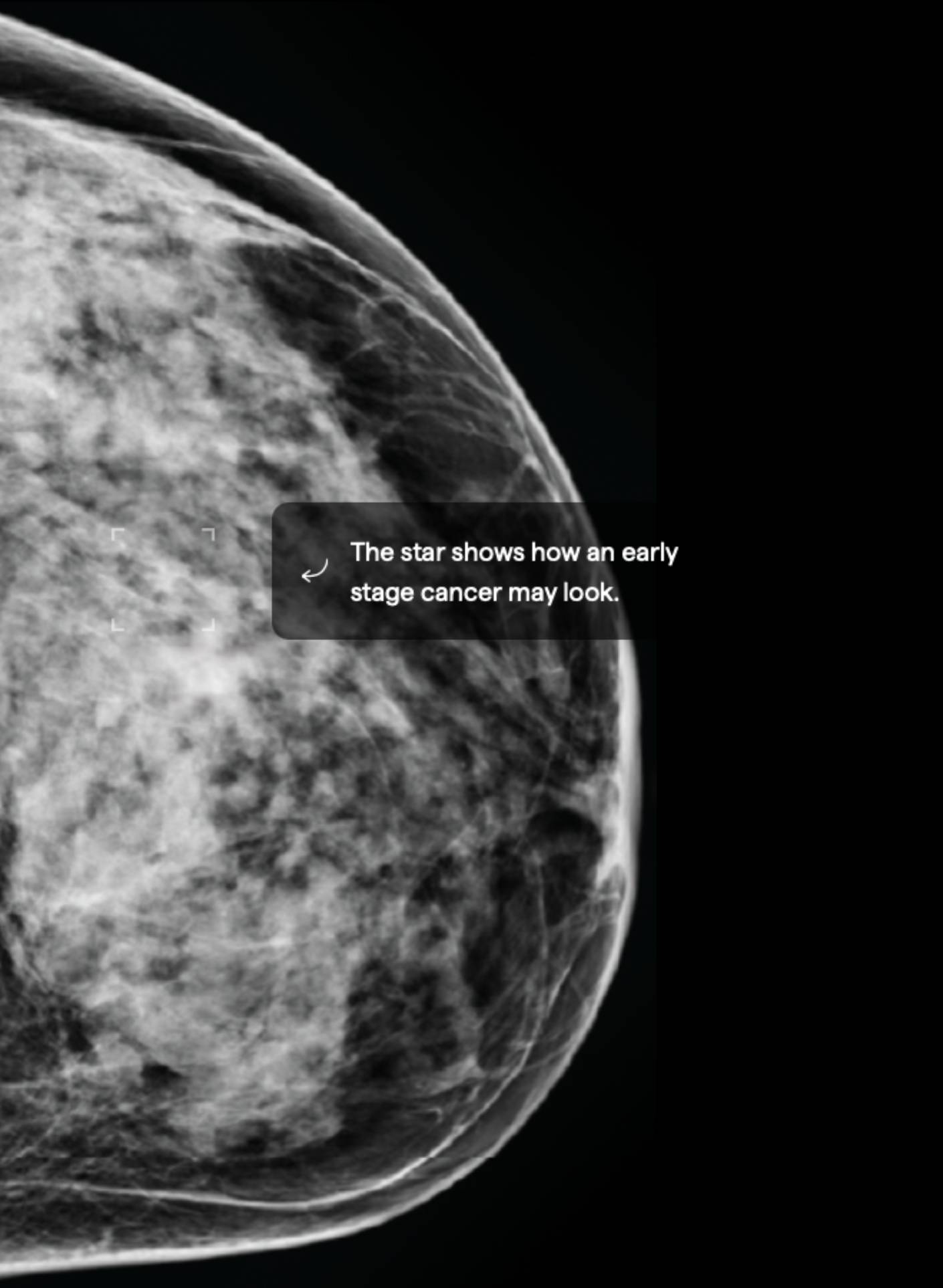
15.5% Mammographic Density
About 10% of female breasts fit category “D”. They are referred to as “extremely dense breasts”.1
Women with high breast density may have a greater risk of developing breast cancer. High breast density also makes it harder to detect breast cancer.3 Consider asking your doctor about adding ultrasound and/or MRI imaging to your screening schedule. Also consider asking about a risk assessment to help both of you better understand your lifetime risk for breast cancer.